







Join the Squad Get Rewarded
Unlock early access to FM feature drops, news and reveals before anybody else. Plus, behind-the-scenes insights and incredible members-only giveaways.
Sign for FMFCAlready a member?

We’ve detected that your browser is in English, click the button below to go to the dedicated English version of the Football Manager website.
Go to English site
Hemos detectado que tu navegador está en español. Haz clic en el botón de abajo para ir a la versión del sitio web de Football Manager en este idioma.
Ir al sitio web en español
Nous avons détecté que votre navigateur est en français, cliquez sur le bouton ci-dessous pour vous rendre sur la version en français du site internet de Football Manager.
Allez vers le site en français
Tarayıcınızın dilinin Türkçe olduğunu belirledik. Football Manager web sitesinin Türkçe versiyonuna gitmek için aşağıdaki düğmeye tıklayın.
Türkçe sitemize gidin
Abbiamo rilevato che il tuo browser è in italiano, clicca sul pulsante qui sotto per andare alla versione italiana del sito di Football Manager.
Vai al sito italiano
Wir haben erkannt, dass Ihr Browser auf Deutsch eingestellt ist. Klicken Sie auf die untere Schaltfläche, um zur deutschen Football Manager-Seite zu gelangen.
Zur deutschen SeiteAdd to wishlist now to get launch alerts straight to your inbox.
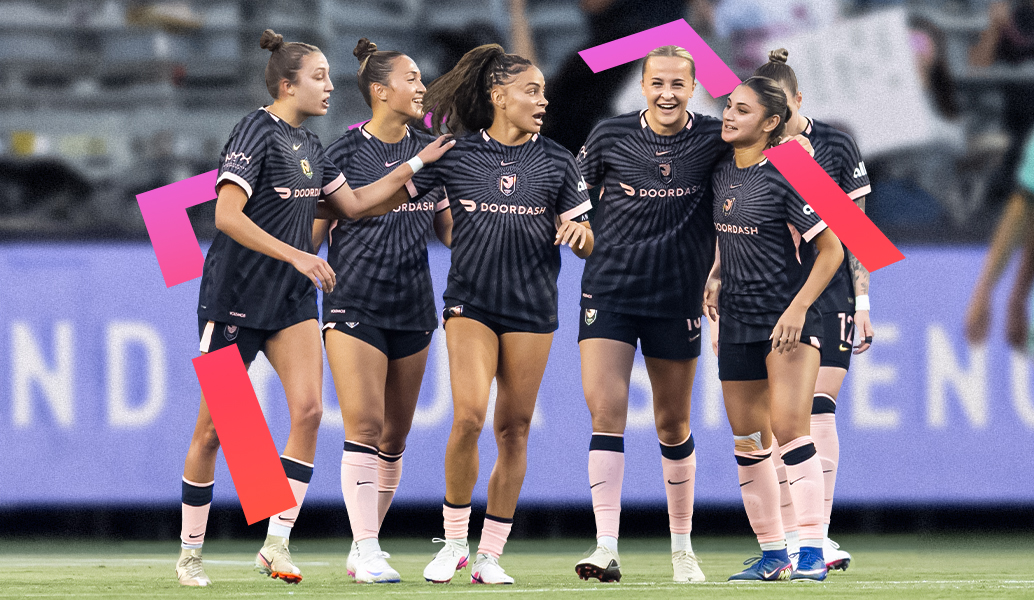
For the first time in Football Manager history, women’s football arrives in FM26, with the Barclays Women’s Super League (WSL) as a headline licensed competition - opening up new opportunities to explore, manage, and make history in the women’s game.
The WSL is the top level of domestic women’s football in England. A league that hits hard in both performance and passion: it’s the home ground that nurtured some of the biggest stars of the twice-Euro-winning Lionesses. It is known for deep rivalries, nail-biting matches, and some of the largest and most ardent fanbases in the game.
With upcoming expansion and increasing investment, this league offers managers a high-profile, high-stakes landscape within which to test their skills. It's time to step into the dugout and explore new horizons.

Each WSL season is made up of 22 matches: all 12 clubs play each other home and away. The season runs from September to May, with the winners qualifying straight for the next season’s UEFA Women’s Champions League group phase, competing against Europe’s elite. The teams finishing second and third go through rounds of qualification first, competing in the ‘league path’.
Now that the league’s clubs have voted to expand the WSL from 12 to 14 teams (from 2026-27), at the end of this season the winners and runners-up in the Barclays Women’s Super League 2 (WSL2) will be promoted to the WSL. A playoff will then take place between the WSL's bottom side and the WSL 2's third-placed team. This expansion is designed to stimulate more movement between the leagues.

Teams can register up to 25 players but, with homegrown quotas, all teams must include at least 8 players classed as 'homegrown' – defined as players who registered with an English club for 3 seasons or 36 months before their 21st birthday. Each club may register up to six long-term loans - defined as any loan lasting until at least the next transfer window in January
The WSL has the power to attract big international talent. Since the WSL has no salary cap, managers have a competitive edge to poach stars. Balancing big-name stars and homegrown talent is the key to long-term success.

The primary transfer windows open in July and close in mid-September, closely mirroring the transfer structure of most leagues globally. There’s then a second transfer window in January, giving you a mid-season opportunity for making any adjustments or changes.
The biggest men’s clubs with WSL teams have historically used their dominance to gain high-profile acquisitions on their women’s teams. New - and more robust - financial controls have been introduced to limit the amount of money owners are allowed to put into their club: clubs can spend up to 80% of their women’s team’s revenue alongside a capped contribution from owners. This has equalised the landscape for the new, independent team London City Lionesses.
This opens an interesting dynamic for smaller clubs. While big clubs have the power to make record-breaking signings, smaller clubs exist in a different landscape - and can make a name for themselves with cost-effective deals by focusing on player development.

Now you have the technical knowledge to master the WSL, it’s time to pick your challenge. Will you take charge of the reigning champs, or take your chance on an underdog team grafting their way to the top?
Chelsea: The WSL’s golden child with a winning strategy and all-star squad. Can you keep the momentum and maintain their streak of success?
Brighton & Hove Albion: A bastion of youth development and investment, that are quickly rising up the rankings. Can you develop young stars to keep their ascent to victory?

Leicester City FC: A club that’s risen from grassroots to the big leagues. Can you channel their passion into a winning formula?
At the end of the 2025-26 season, at least two WSL2 teams will be promoted into the WSL. Do you have what it takes to channel emerging ambition into premier division champions?
Crystal Palace: A team built on the backbone of local support, who’ve already shown they have what it takes to make it into the WSL. Will you be the manager that writes their comeback story?
Charlton Athletic: Within touching distance of the WSL, Charlton Athletic have shown consistent improvement season after season. Can you build their resilience up to compete with top-flight teams?
Sheffield United: A rising force in women’s football, backed by a real commitment to competitiveness and fostering talent. Can you help them get on a winning streak, and quench their thirst for victory?

Let us know which team you decided to take over in your WSL journey on our socials @FootballManager
Unlock early access to FM feature drops, news and reveals before anybody else. Plus, behind-the-scenes insights and incredible members-only giveaways.
Sign for FMFCAlready a member?

Don't Miss a Moment
Be the first to know what's next by following us across social media @FootballManager. Same handle, every platform.