Tip #1: Identify Key Fixtures
In every run-in, a small number of fixtures will disproportionately shape your season. Title rivals, direct competitors and awkward scheduling spots carry more risk than the rest.
These are the games that require and deserve your undivided attention, so any additional preparation and insight will go a long way towards emerging victorious.
A variety of options are available to you: reviewing opposition team reports, attending opposition fixtures, tinkering with your Team and Player Instructions or adapting your Training. Whatever you choose, the smallest of actions can make all the difference when there are crucial points to be won towards the end of the season.
Tip #2: Manage Fatigue and Injury Risk
Football is more draining than ever.
Travel distances, fixture schedules and game intensity - all are massive factors impacting your squad’s condition, injury risk, and overall energy levels. Naturally, this worsens as the season progresses.
You can’t eliminate fatigue or injury risk, but you can reduce how often it costs you points in FM26.
The Medical Centre gives a great overview of which players are most likely to encounter an injury at any given time. Paying heed to this, listening to your medical team’s advice and taking immediate action can help you avoid some of your key players picking up injuries at a critical stage of your campaign.
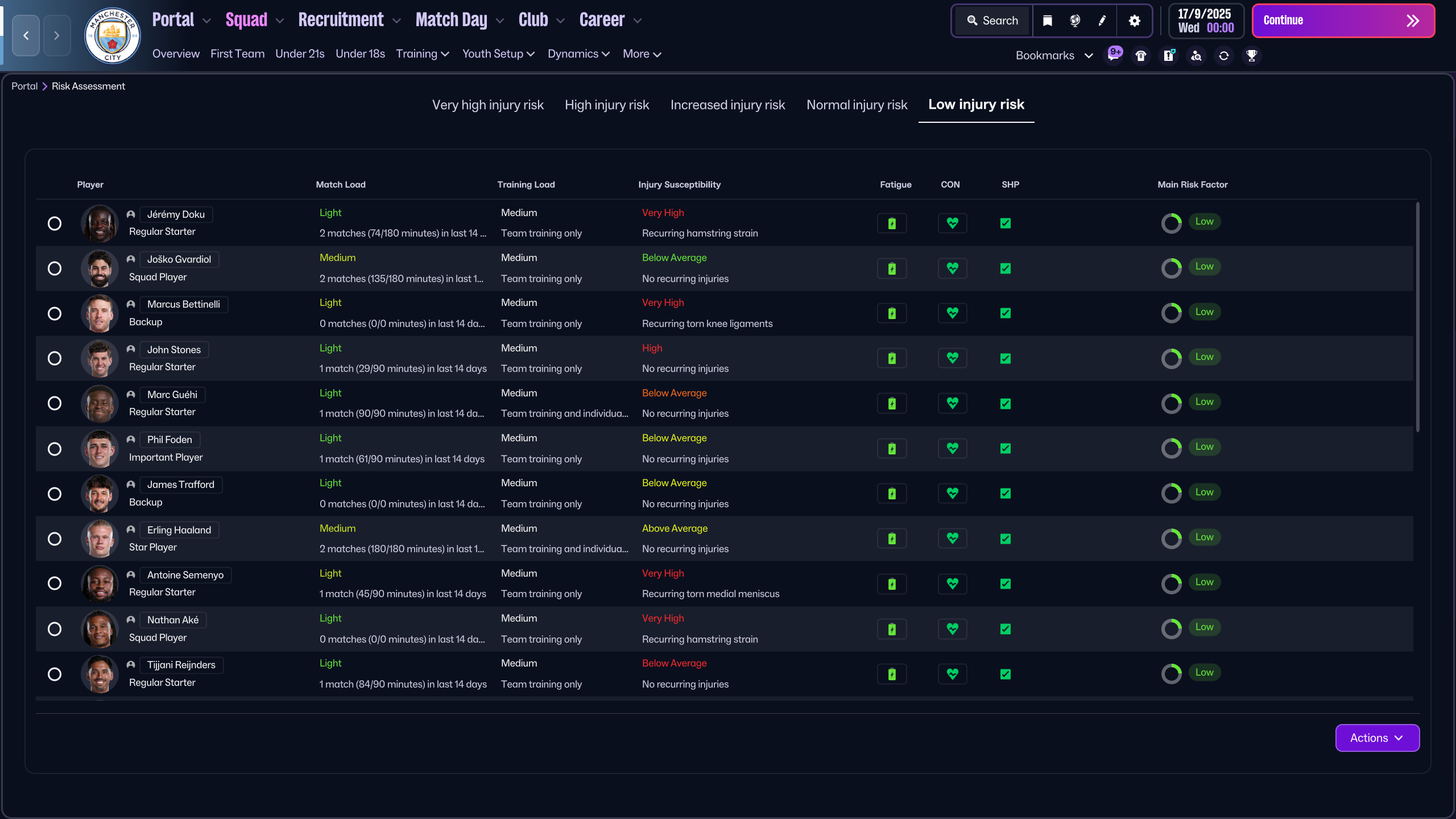
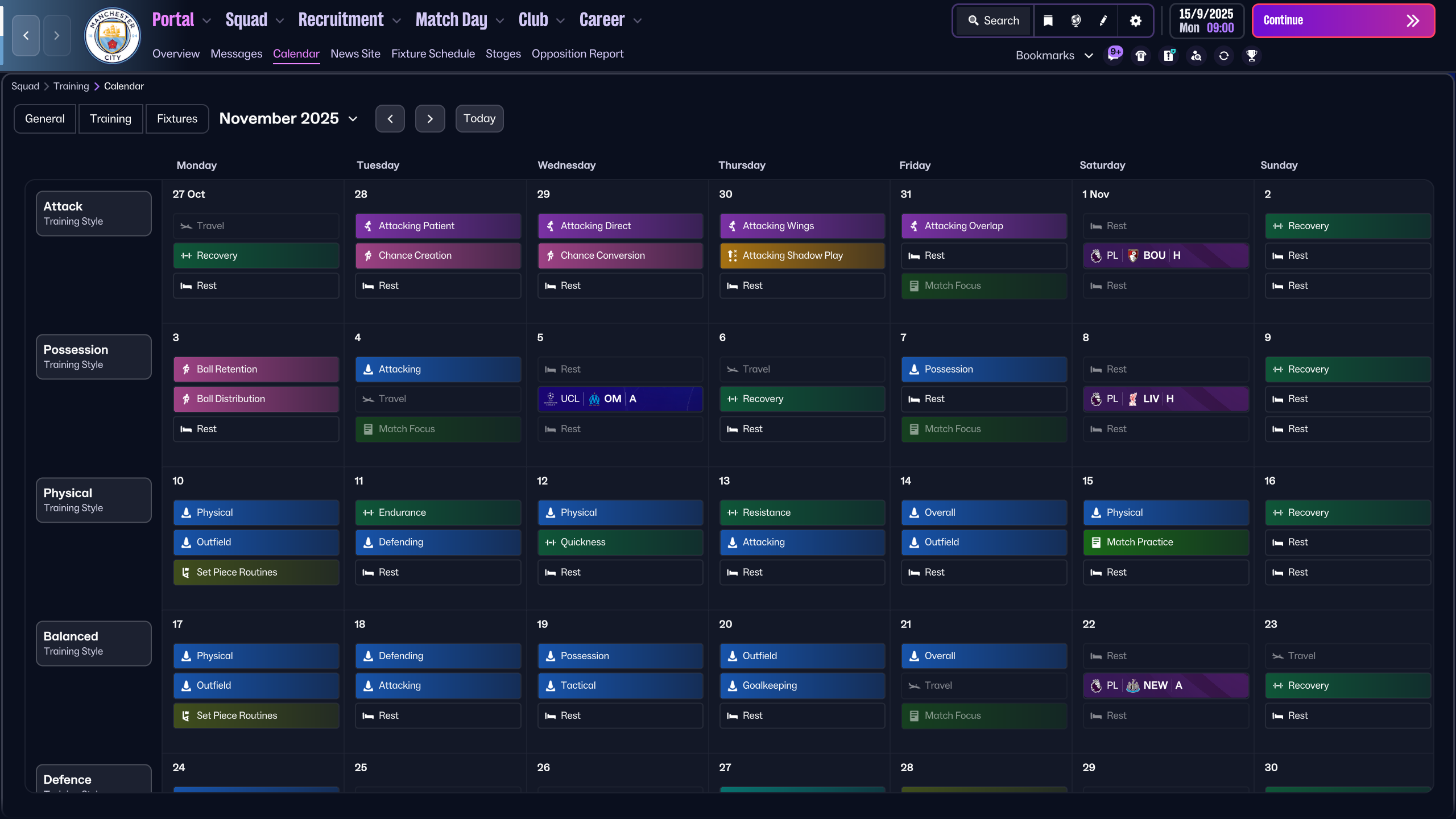
If you are managing a side still in multiple competitions and consistently grappling with 3 games a week as the season progresses, giving players a rest between matches wherever possible is essential.
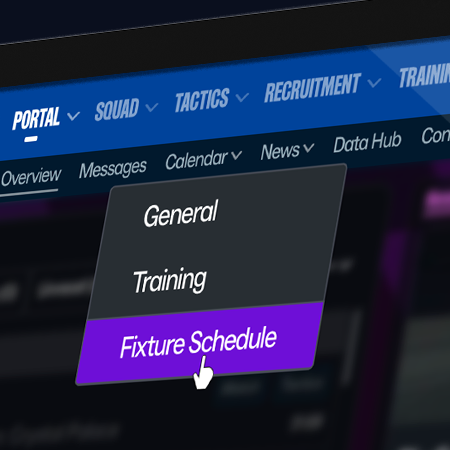
Regularly checking your Training Schedule and applying Rest units between fixtures goes a long way towards maximising your players’ fitness and match condition at this crucial stage of the season.
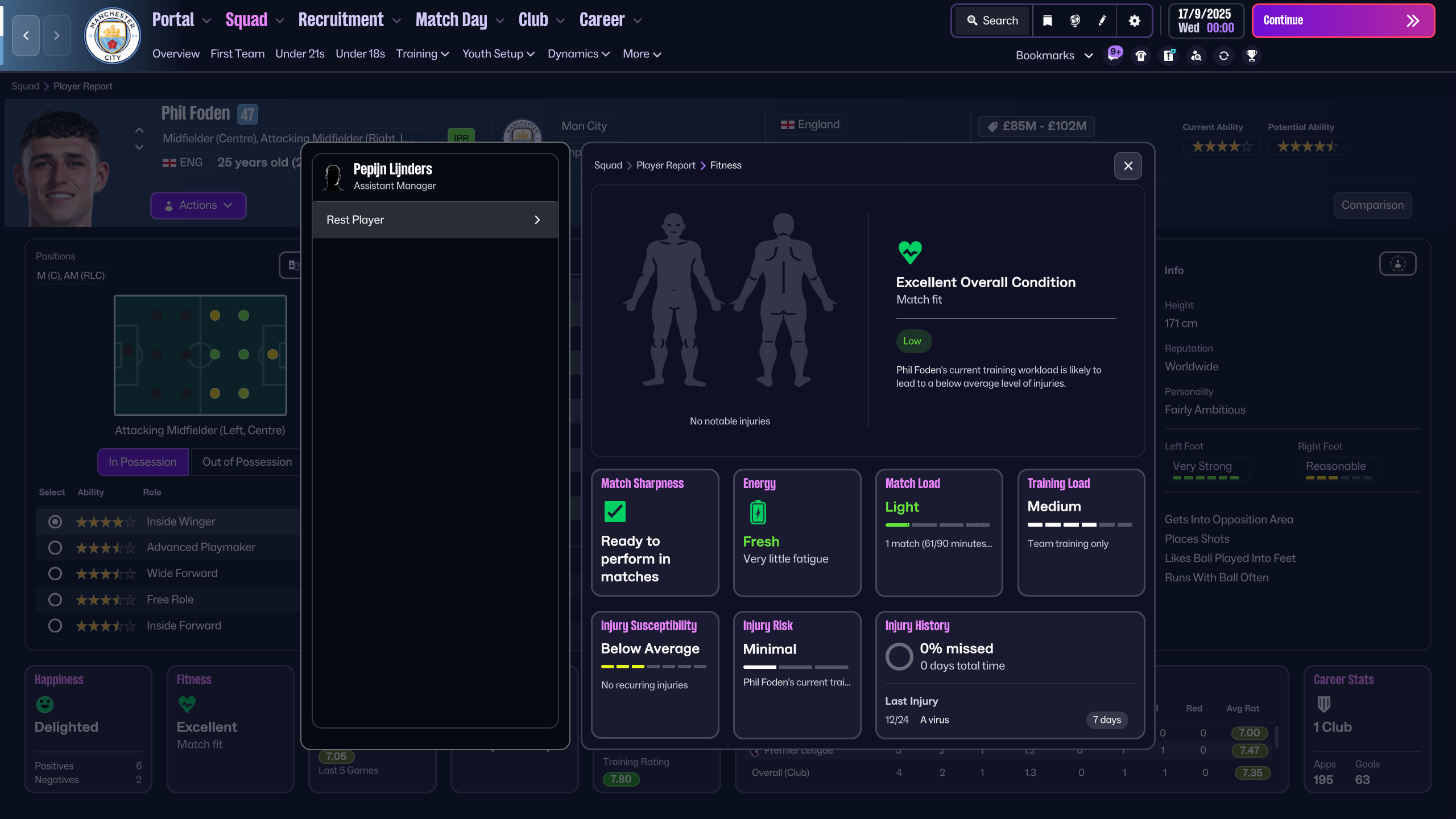
High-risk players shouldn’t be over-worked. Adjust their training load, manage their minutes, and prioritise them for the fixtures that matter most. The Fitness tile on the Player Profile screen gives a breakdown of their overall physical condition, from which you can better make decisions in terms of their training load and match selection.
Tip #3: Dynamics and Team Leader Happiness
We’ve said it before; morale is essential in FM. It powers your team Dynamics, squad cohesion, Training, form and overall match preparation and performance.
As you enter the business end of your campaign, the risk of tired or underperforming players can negatively impact your squad happiness. As can rumours of potential player departures - all at a time when you need morale to be at its highest to achieve your aims.
There are several techniques which can help boost and maintain morale as you enter the latter stages of a season:
- Ensure your Captain and Team Leaders are all happy
- Address any open concerns or unhappy players within the wider squad
- Hold Team Meetings to readdress your season objectives, boosting morale and cohesion
- Praise players in the media who have performed well so far this season
- Address any open concerns or unhappy players
- Add extra-curricular activities such as Team Bonding and Community Outreach to training schedules
- Sign new coaches with high Motivation and Mental Coaching attributes
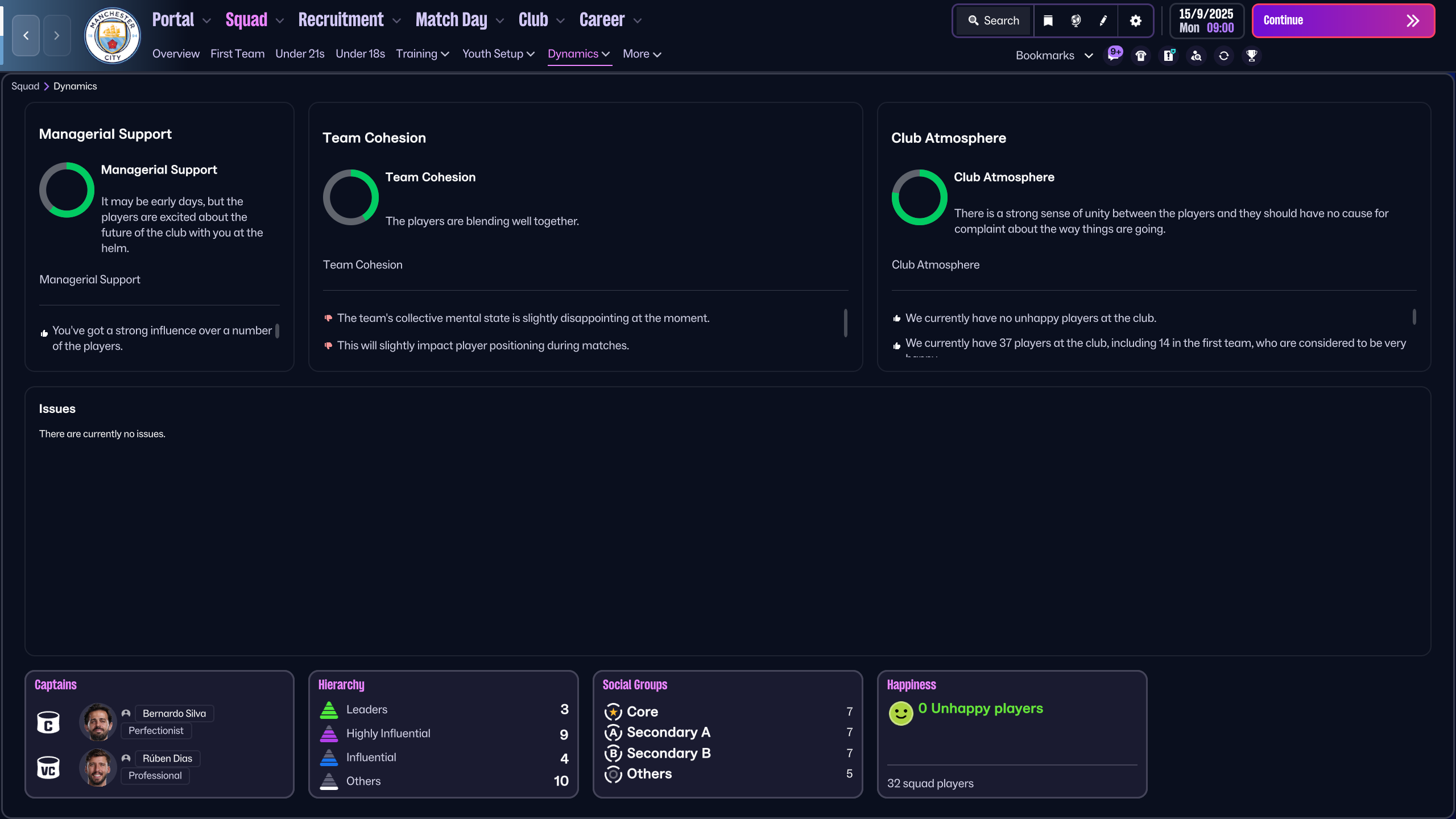
The Dynamics page highlights unhappy players, allowing managers to quickly assess morale and cohesion. Here you can also view your Team Hierarchy to ensure team leaders and influential players are motivated and positively impacting your squad at this crucial part of the season.
Tip #4: Player Interaction
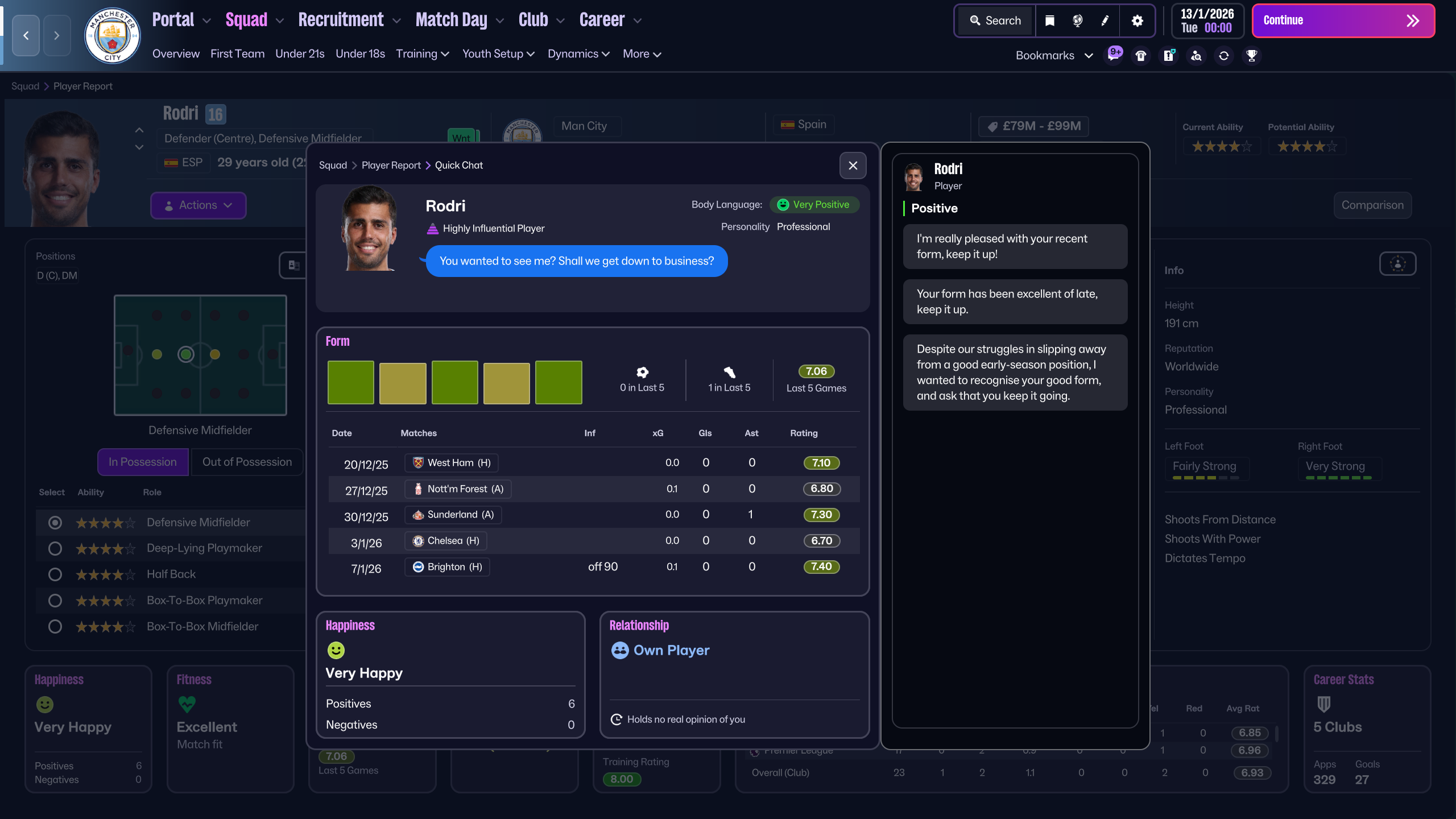
Never underestimate the value of speaking to your players directly.
It’s been a long season. They’re tired, drained and already looking forward to a summer break somewhere. But you need them now, and they need you. Some players need an arm over the shoulder, some need to be praised publicly, others need to be criticised or warned if their performances or training levels aren’t up to scratch.
Whatever the case - your man management can make all the difference. If you get it right then your words have the desired impact and those players step up when you need them most.
Tip #5: Tactical Familiarity
Assuming you’ve used the same tactical approach for most of the season, your team’s Tactical Familiarity should be at its highest.
Can you say the same for your second and third tactics? While it’s not necessary to use three different tactical setups, having these assigned in your Tactics screen builds further familiarity. Likewise, if you are likely to tweak your tactics either in, between or during games, toggling between these familiar tactics is often more beneficial than making manual changes to your primary tactic.
Familiarity is the name of the game so that by the time you hit that end of season run-in, your players know what is expected of them.
Tip #6: Address Tactical Gaps
Tweaks, not overhauls.
If things have been going relatively well all season and then suddenly you drop points or have a dip in form, it doesn’t mean you need to change your entire philosophy.
Often, the smallest of tweaks are all that are needed to close any gaps or swing the tide in your favour once more. A great way of identifying these is via the Tactics Evaluation offered by your Assistant Manager.
Tip #7: Avoid Tactical Predictability
If that dip does continue and you feel as though your tactic has suddenly stopped working, it may be because you’ve become predictable.
Just as you can analyse opposition tactics and formation usage, your opponents can analyse your patterns and trends in a bid to figure your approach out.
The Data Hub presents a clear overview of your formation choices over the course of a season. If this shows little variety both In and Out of Possession, opposition sides will naturally start figuring you out and can adapt accordingly.
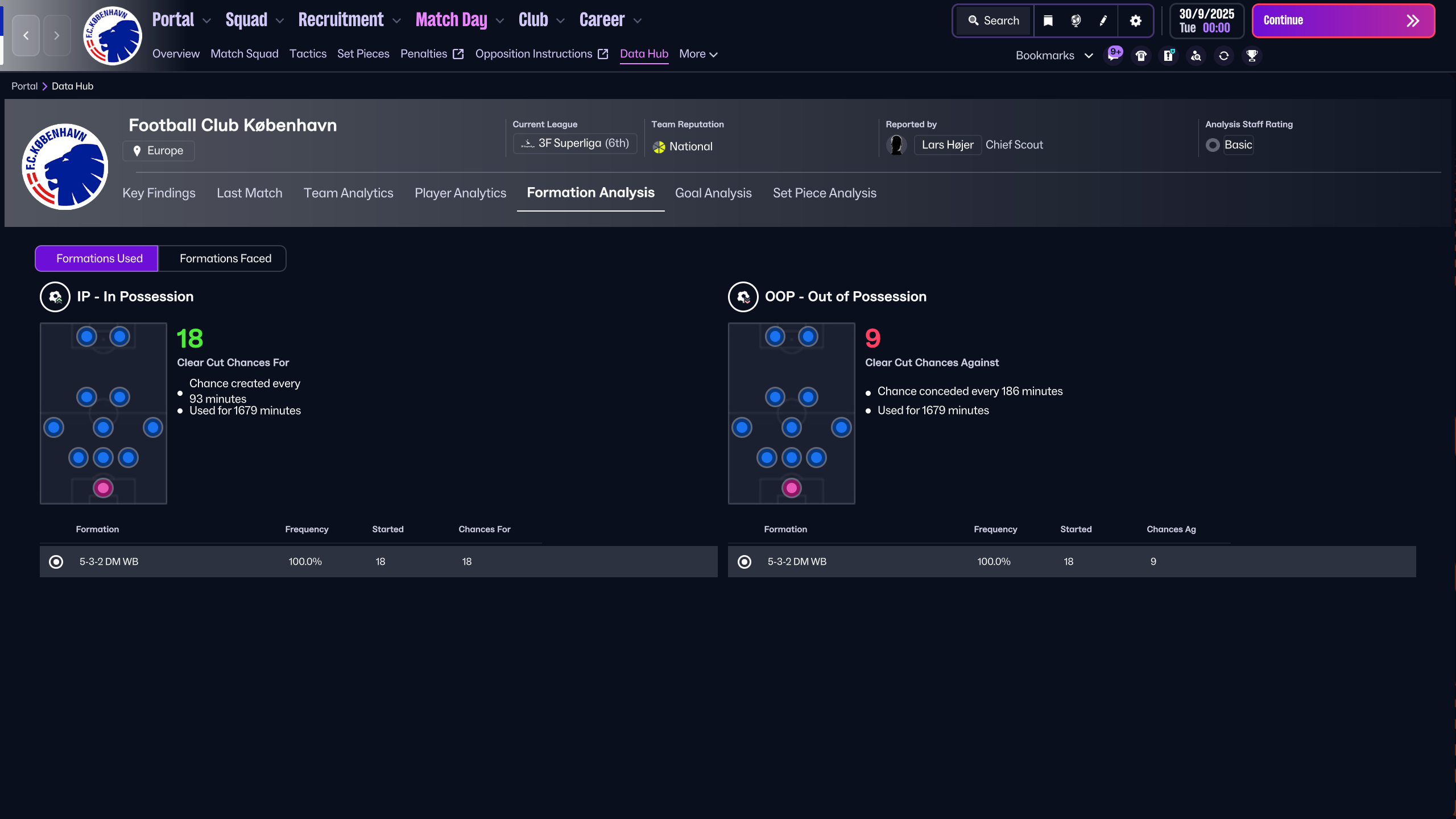
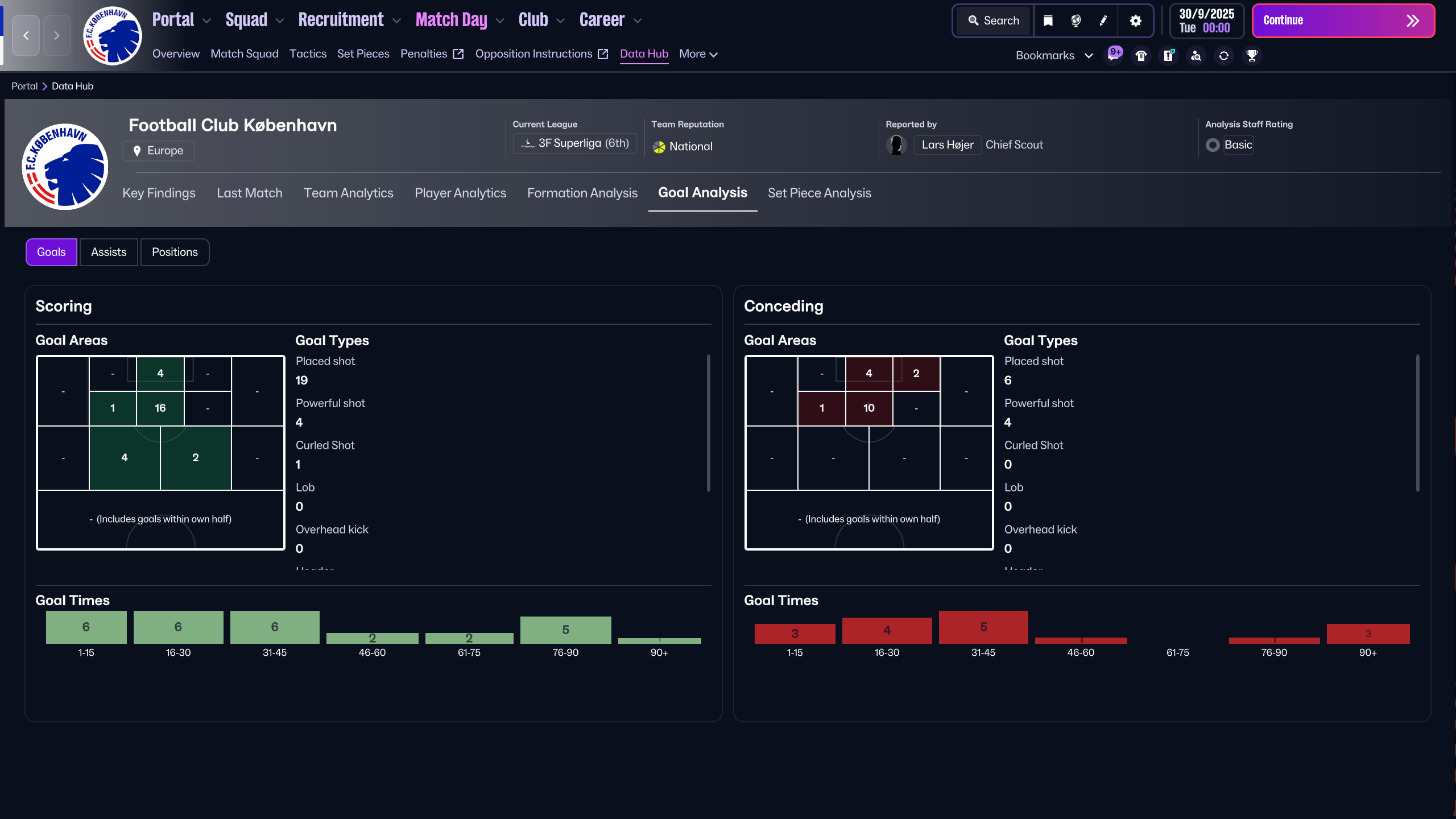
You can go a layer deeper in terms of analysing predictability. The Data Hub presents analysis on key factors (both for and against your side) such as goalscoring positions, shooting positions, chances created, pitch tilt, goal timing and cross distribution. All of these are key indicators as to how your side plays and where your main on-field threats originate from.
If your Data Analyst is telling you that the majority of your goals are in the 6-yard box, or that 80% of your crosses come from the right-hand side of the pitch, opposition Data Analysts will know this too.
Introducing some variety into your attacking build-up, such as requesting earlier crosses or encouraging your players to Dribble More, will keep your opponents guessing and ensure your tactics don’t go stale.
Tip #8: Exploit Opposition Trends
In contrast to the above, often the reason why you might be failing to break down teams can be down to a lack of adaptability to your opposition’s tactical setup.
Understanding your opponent’s setup is as important as your own, especially knowing which systems your team struggles against and what you’re likely to face next.
As the season progresses, patterns and trends begin to form. You can start by exploring ‘formations faced’ within the Data Hub to get an idea of which tactics you perform better against, and more importantly against which your team has tended to struggle over the course of the season.
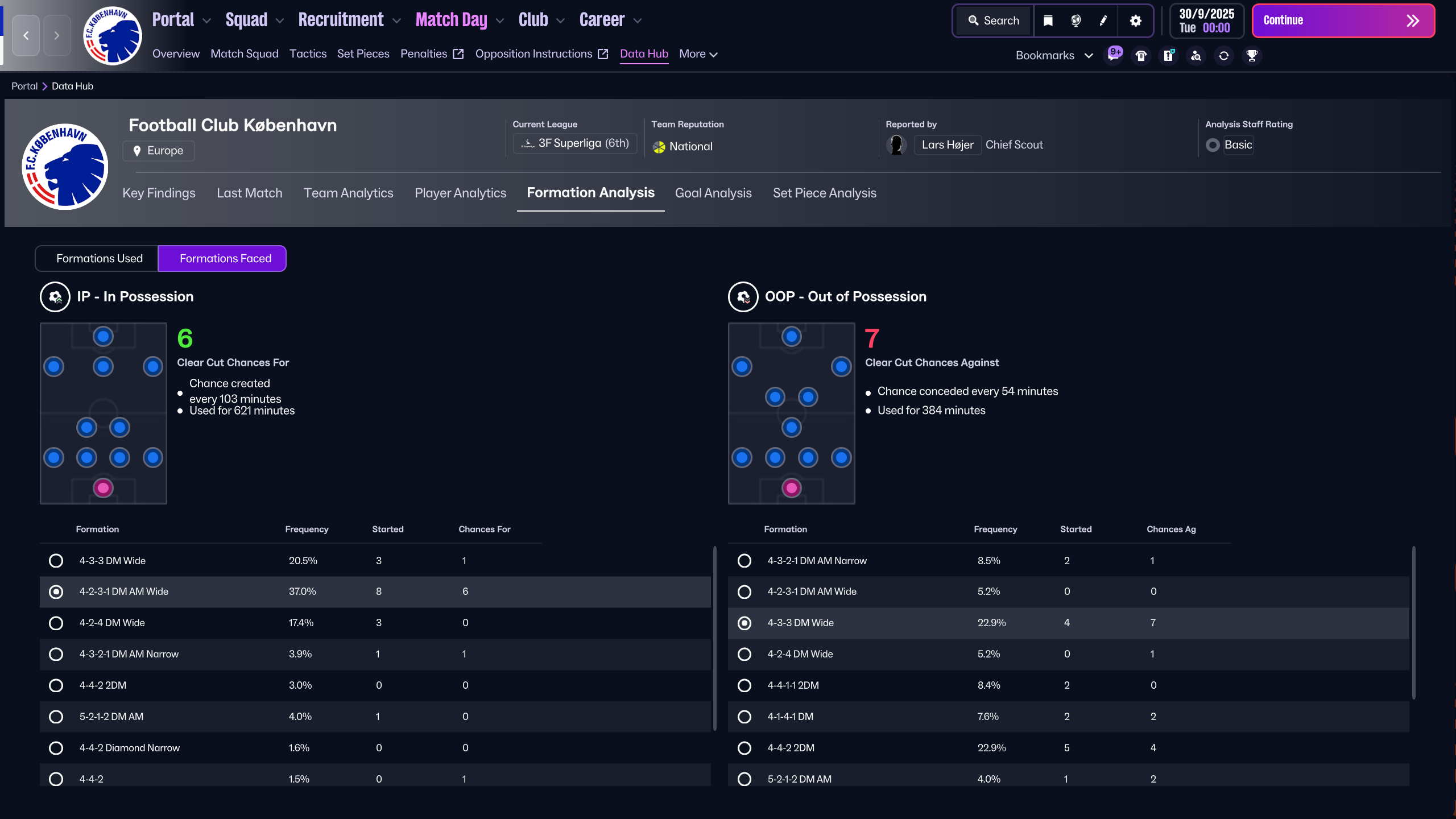
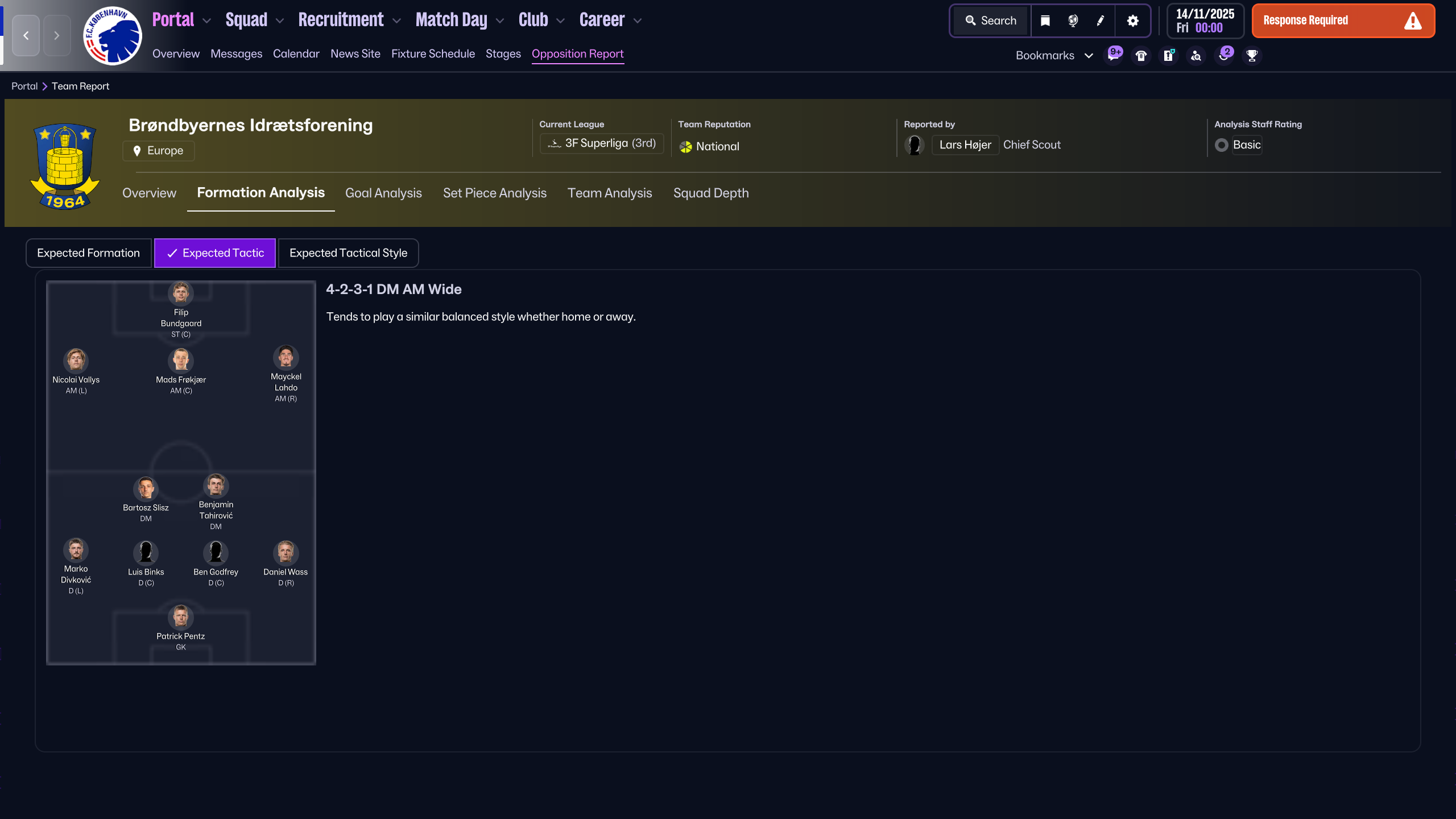
This is helpful in creating an overall picture in terms of how you perform against different systems and tactical setups. However, for each opponent at this stage of the season, Opposition Reports are a key tool to ensure your team are set up for success. Under Staff Responsibilities, you can assign specific Scouts and Analysts to provide in-depth opposition reports, which are sent to you via the Portal prior to each game. These can also be viewed in the Match Day drop-down menu along with a useful “Next Match Preparation” function for you to specifically tailor your Tactical Instructions.
Within the Opposition Report, managers can observe not only how often an opposition side deploys a specific formation, but also their expected tactic and style, danger areas, goal/assist positions and overall strengths/weaknesses.
Tip #9: Contract Management
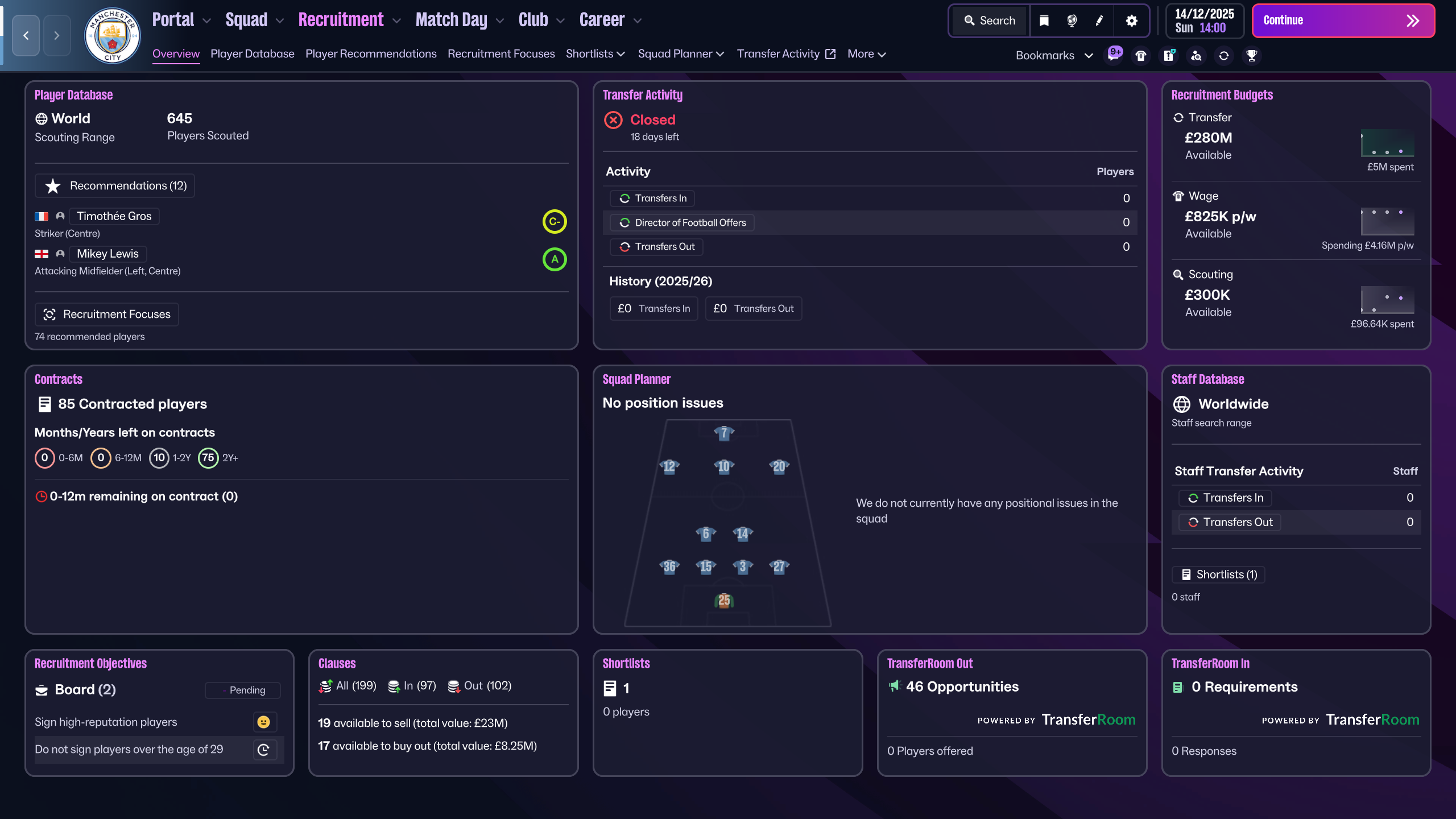
At this stage of the season, the transfer rumour mill will start to get into full swing and player contracts, if not proactively managed, will become an if players are facing uncertain futures.
This doesn’t mean that all players should have their contracts extended or renewed, but no issues should remain unresolve. Tie down your best players to long-term deals where possible. For players whose contracts will not be renewed, often it serves best to make this clear early if they have no role at the club.
The alternative is that these players get restless and negatively impact your squad harmony. Being direct and severing ties is often the best solution for all parties at this stage of the season.
Also, if there are any soon-to-be free agents that you are planning to sign when their contract ends, agreeing a pre-contract deal within 6 months of their contract expiring can also help boost morale. This is particularly true if it’s a high-reputation player with whom your players will look forward to playing.
Tip #10: Take Control of Press Conferences
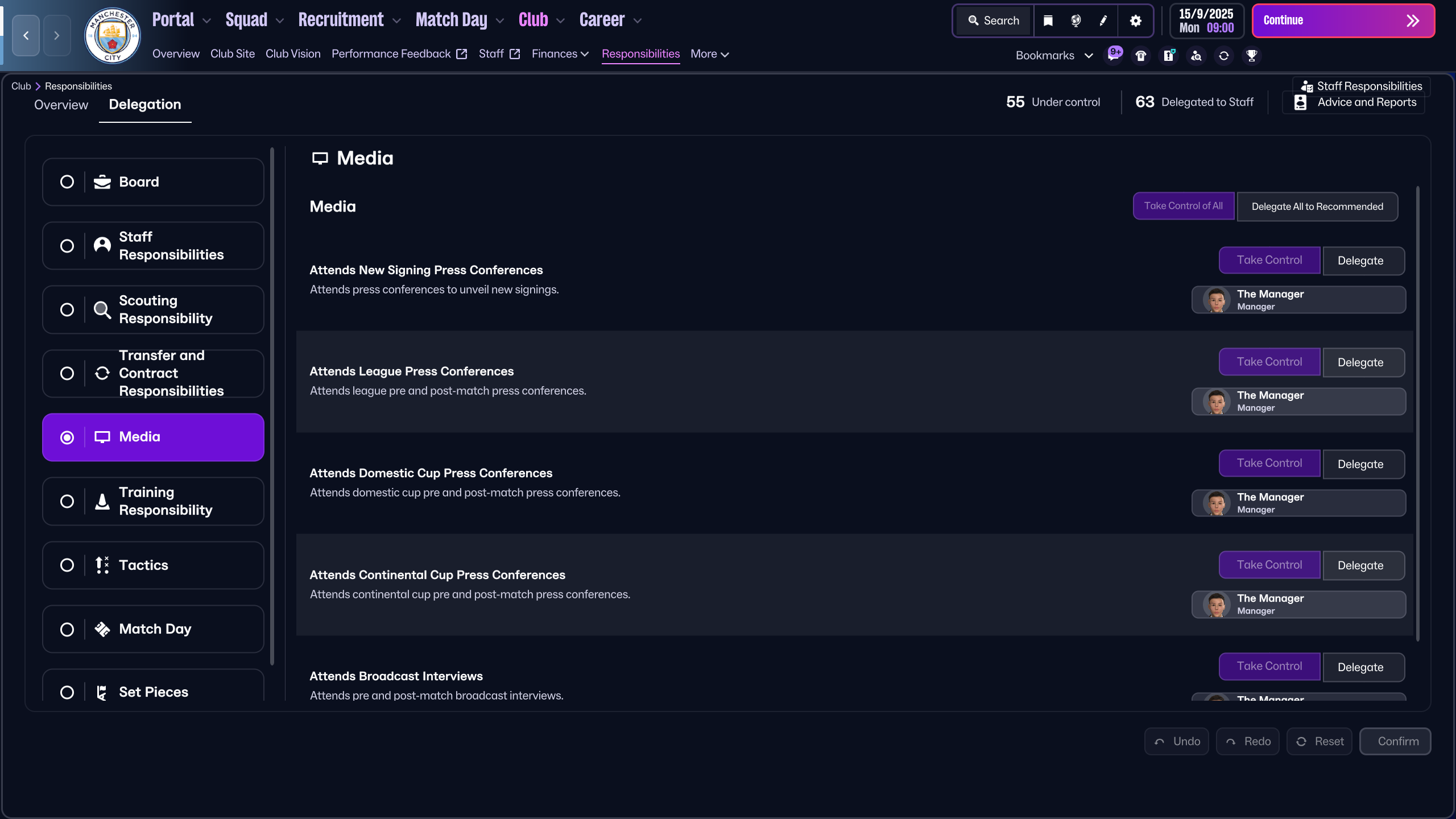
If you’re a manager who usually avoids the spotlight, the end-of-season run-in is the perfect opportunity to step forward, grab the mic and make your voice heard.
Your players care what you have to say, as do your board and your fans whose happiness is essential for your job evaluation and security. Managers have far more impact when speaking out in the media than they do hiding in the shadows. Getting out in front of that camera might just be the extra step needed to galvanise your troops and lead them into battle for the remainder of the season.
There we have it, 10 tips to help you better navigate the end of season run-in in FM26. As always there are no guarantees, no shortcuts and no quick fixes; all you can do is make sure you are doing everything possible to set you and your team up for success. That way, you and your players can look back at the end of the season knowing you gave it everything and left nothing out there on the field.













Don't Miss a Moment
Be the first to know what's next by following us across social media @FootballManager. Same handle, every platform.